Rig a Fleece Tunnel Over Leafy Crops Before the First Frost
- Hands on
- 45 min
- Season
- autumn
- Level
- easy
- Makes
- one 1.5m bay of hooped, frost-protected bed
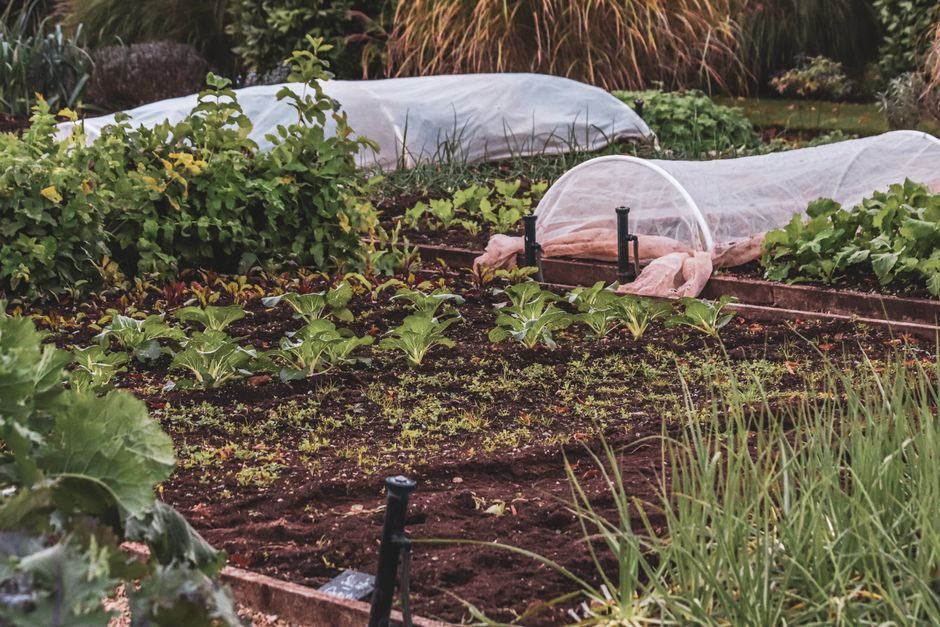
A first frost can cut down a bed of lettuce, chard or spinach overnight, while the same crop under a fleece tunnel keeps cropping for weeks longer. A low hoop and fleece cover is cheap, goes up in under an hour, and buys two or three degrees of protection — enough to see tender leaves through the early frosts that arrive well before winter proper.
What you need
Step by step
-
Measure the bed and cut the fleece to length, leaving roughly 30cm spare at each end to bury or peg down.
10 min -
Push a hoop into firm soil at each end of the bed and space the rest every 30-40cm along its length, angling them slightly outward for strength.
15 min -
Drape the fleece over the hoops with slack across the top so it can't pull tight against the leaves as the crop grows.
5 min -
Peg or weight down both long edges and both ends, working along in one direction so there are no gaps a wind can catch.
10 min -
On an exposed plot, run a length of string over the top and peg it at both ends to stop the whole cover lifting in gusts.
5 min
Afterwards
Check every peg after wind and re-anchor anything that has lifted. On a mild day, pull the fleece back for an hour to let air through and check for slugs sheltering underneath. Patch small tears with tape rather than replacing the sheet. Once night frosts are reliable, leave the cover in place; take it down in spring, shake off soil and fold it away dry, since damp fleece rots in storage.
Questions
What weight of fleece should I use?
30-35gsm is the standard choice for season extension — it gives roughly 2-4°C of frost protection while still letting light and rain through. Heavier fleece protects more but blocks more light too.
Do slugs get trapped underneath?
Sometimes — a sheltered, humid tunnel suits them as much as it suits your crop. Check under the fleece on the first mild morning and remove any you find.
Can I leave the fleece on all winter?
For hardy salad and leafy crops, yes, though it's worth lifting it off for an hour on mild days so the bed doesn't stay permanently damp.
Will the fleece survive to use again next year?
If you fold it away dry and free of soil, most fleece is good for two or three seasons before it thins and tears.