Plant Garlic Cloves in an Autumn Bed
- Hands on
- 35 min
- Season
- autumn
- Level
- easy
- Makes
- 8 to 12 garlic bulbs per seed bulb planted
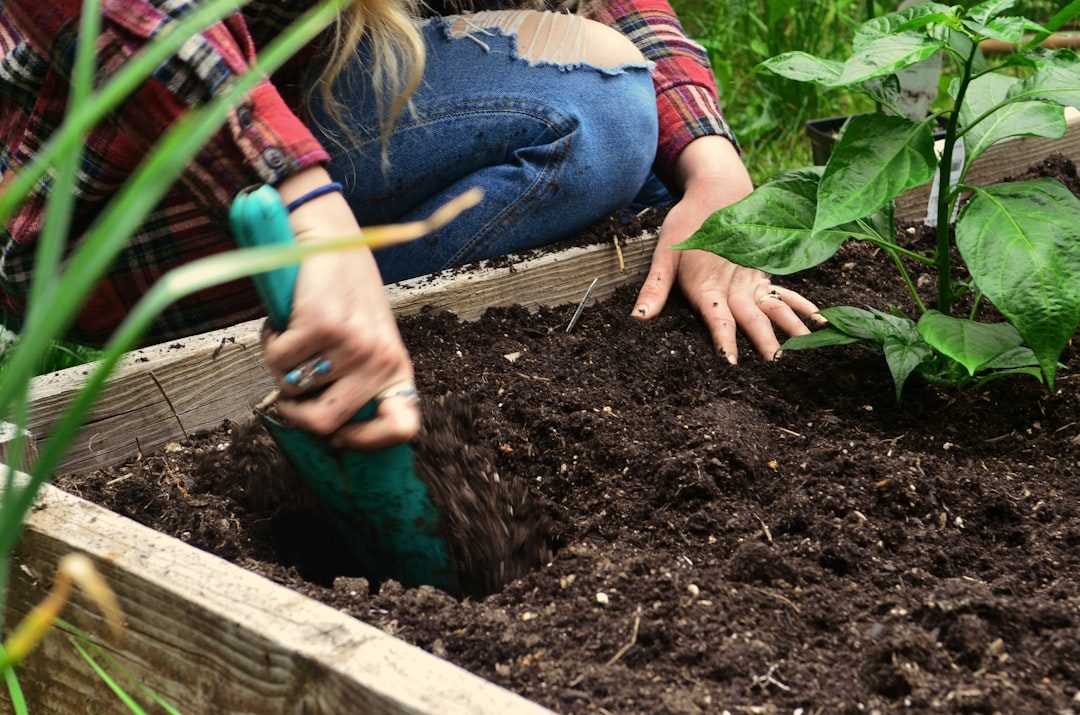
Garlic goes into the ground from late September, once the soil has cooled. A single seed bulb splits into 8 to 12 cloves and each one overwinters, pushes a shoot through the coldest months, and swells into a full bulb by early summer. The job takes under half an hour for a metre-long row and needs no equipment beyond a dibber or a pointed stick. The main decisions — where to plant, which variety, and how deep — matter more than the labour.
What you need
Step by step
-
Check your rotation records. Do not use any ground where garlic, onions, leeks or other alliums grew in the past three years. Pick a sunny, reasonably well-drained spot — garlic tolerates light shade but bulbs stay smaller.
5 min -
Fork over the top 15 cm of soil to loosen any compaction, work in a trowel-full of garden compost per 30 cm of row if the soil is thin or clay-heavy, then rake the surface level.
10 min -
Break the seed bulb into individual cloves by pressing down on it with the heel of your hand. Set aside the very small inner cloves — they produce undersized bulbs — and keep the 8 to 10 largest outer ones.
5 min -
Stretch a string line along the row so the spacing stays straight. Use the dibber to make holes 5 cm deep and 15 cm apart. For more than one row, space rows 30 cm apart.
5 min -
Drop one clove into each hole, pointed tip upward and flat base downward. If a clove falls in the wrong way round it can right itself, but upright from the start gives the best result.
5 min -
Press soil firmly into each hole with your thumb or a trowel handle — good contact with the clove base matters — then rake the row level.
3 min -
Push a label cane in at the end of the row and write the variety and planting date on it in pencil or permanent marker.
2 min
Afterwards
No watering is needed unless the soil is bone dry at planting; autumn rain usually covers it. Check in February: if birds have been pulling cloves loose, drape netting over the row. Scatter a balanced granular fertiliser along the row in late February at the rate on the pack. Stop watering once the foliage begins to die back in early summer. Harvest when the lower third of the leaves have yellowed, typically late June to mid-July. Buy fresh certified seed garlic each season rather than replanting from your own bulbs; doing so gradually builds up virus in the crop.
Questions
Can I plant garlic from the supermarket?
Not reliably. Supermarket garlic is often treated to extend shelf life and may carry latent viral disease or allium white rot. Certified seed garlic costs a little more but the bulbs are tested and disease-free.
Which end of the clove goes up?
The pointed tip goes up and the flat base goes down. The roots emerge from the base and the shoot from the tip. If a clove goes in upside down it can usually right itself, but it slows the start.
How deep should the cloves go?
5 cm below the soil surface. Shallower and birds will pull them out; deeper and they may rot in waterlogged autumn ground.
Is late September too early?
Late September is right for most of the UK, particularly in milder southern areas. If you are in Scotland or at altitude, wait until October and choose a hardneck variety bred for cold winters.
What if I miss the autumn window?
Garlic needs a period of cold — vernalisation — to form a proper multi-clove bulb. Planting in December is late but still possible; planting in spring usually gives a single undivided round rather than a true bulb. Buy a spring-planting variety if you miss autumn entirely.