Bag Up Fallen Leaves to Make Leaf Mould
- Hands on
- 65 min
- Season
- autumn
- Level
- easy
- Makes
- several bin liners of leaf mould, usable as mulch within a year
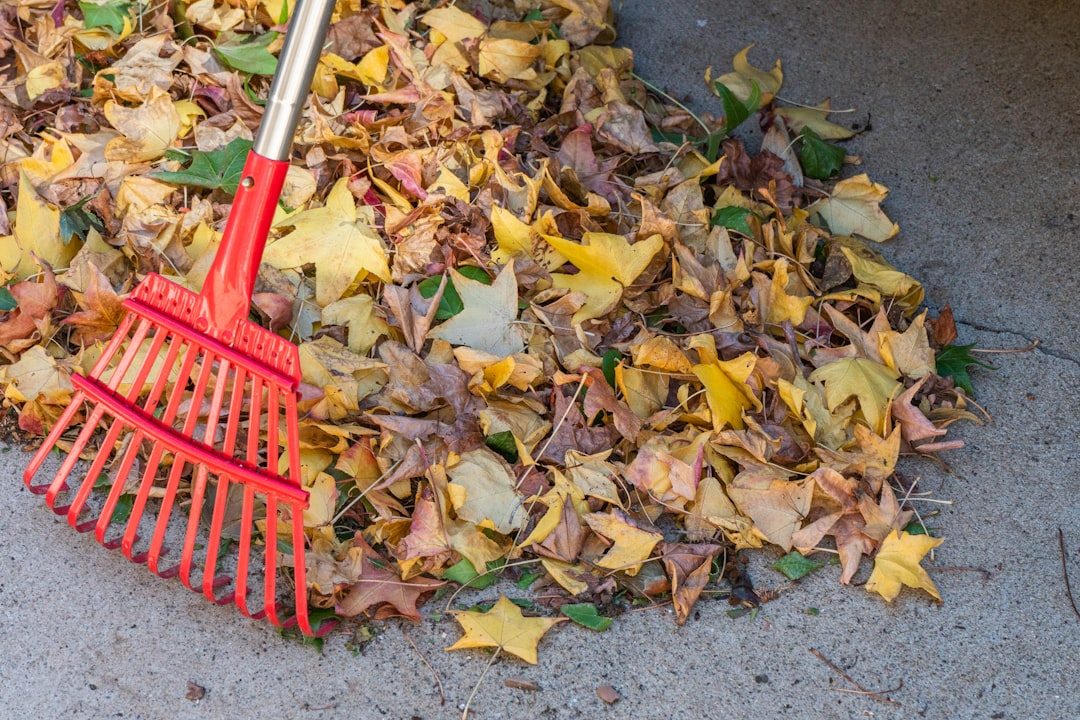
Leaf mould is the easiest soil conditioner a garden produces, made almost entirely by fungi working slowly on packed, damp leaves rather than the bacterial heat of a compost heap. It asks for almost nothing: leaves, something to hold them, and time. Shredding first cuts the usual two-year wait roughly in half, so a bag started this autumn is usable as a mulch by next autumn. It suits anywhere with deciduous trees nearby — a garden, an allotment path, a street verge — and costs nothing beyond a few bin liners.
What you need
Step by step
-
Rake fallen leaves off beds, paths and lawn into a pile on a dry day, picking out twigs, windfall fruit and anything obviously diseased as you go.
20 min -
Shred the leaves by running a mower over the pile on its highest setting, or by chopping through them repeatedly with the flat of a garden fork. Shredded leaves rot in around a year instead of two.
15 min -
Pack the shredded leaves into a bin liner, treading them down every few handfuls to compress the pile — a loosely filled bag holds far less than a trodden one.
10 min -
Add a can of water if the leaves feel dry. Leaf mould rots through damp and fungal activity, not heat, so the whole bag needs to be moist, not just the top layer.
5 min -
Punch a dozen or so holes through the sides of the bag with a fork to let air in and excess water drain out, then tie the neck loosely rather than sealing it.
5 min -
Stack the bags in a shady, out-of-the-way corner, away from direct sun which dries them out, and leave undisturbed.
5 min -
Check every couple of months and add a little more water if the leaves inside feel dry to the touch.
5 min
Afterwards
Rinse out and dry the bin liners to use again next autumn. Tip finished mould onto a tarp to check it: dark, crumbly and free of whole leaves means it's ready; anything still leafy needs another six months bagged up. Store finished mould somewhere dry rather than in a sealed container, and use the coarser first-year batches as a mulch, saving the finer two-year material for potting mixes.
Questions
Can I use any kind of leaf?
Thin, soft leaves like oak, beech, birch and hornbeam rot fastest. Thick, waxy leaves such as holly, laurel and horse chestnut take much longer — shred them extra fine or add them to the compost heap instead.
How long until it's ready?
Shredded leaves make a usable, still slightly coarse mulch after about a year. Left a second year, and turned out to break up further, they become a fine, crumbly material good enough for potting mixes.
Do I need special bags?
No — ordinary heavy-duty bin liners work once you've punched holes in them. Perforated leaf sacks sold at garden centres save that step but aren't necessary.
What if it goes slimy instead of crumbly?
That usually means the leaves were packed too wet with no drainage holes. Tip the bag out, let it dry a little in the air, punch more holes, and repack.