Dig Over and Manure an Empty Bed Before Winter
- Hands on
- 110 min
- Season
- autumn
- Level
- moderate
- Makes
- one bed dug and fed, ready to rest or plant in spring
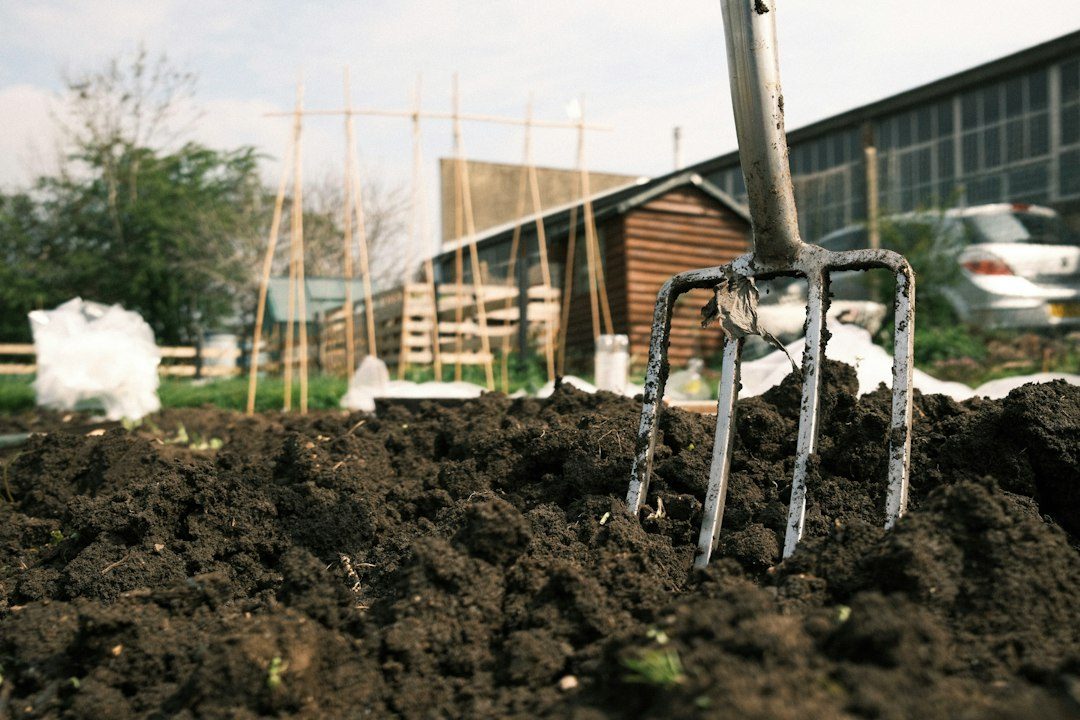
Once the last crop comes out, a bed left bare loses nutrients to winter rain and often crusts over or grows a mat of weeds by spring. Digging in organic matter now, while the ground is still soft enough to work, gives worms and frost all winter to break it down, so the bed is in good heart when you come to plant.
What you need
Step by step
-
Pull the last of the spent crop and any weeds, forking out perennial roots such as dandelion and bindweed rather than snapping them off.
20 min -
Fork over the whole bed to the depth of the tines, turning each forkful and breaking up large clods. Work backwards across the bed so you're not standing on ground you've already dug.
40 min -
Spread the manure or compost evenly across the surface, roughly a wheelbarrow load per 2m².
10 min -
Fork it into the top 10-15cm, or leave it on the surface if you're going no-dig and let worms carry it down over winter.
20 min -
Rake the surface roughly level, picking out large stones and old root fragments as you go.
10 min -
If the bed will sit empty until spring, cover it with cardboard or a tarp, weighted down at the edges, to stop nutrients washing out and weeds getting a head start.
10 min
Afterwards
Rinse mud off the fork and rake before it dries hard, and wipe the tines with an oily rag to stop rust over winter. If you covered the bed, check after storms that the cardboard or tarp hasn't blown loose, and lift a corner in late winter to see how well the worms have worked the organic matter in before you plant.
Questions
Should I dig it in, or leave it on the surface as no-dig?
Both work. Digging buries the compost faster and breaks up compaction, while no-dig avoids disturbing soil life and lets worms do the mixing, just more slowly.
Can I use fresh manure instead of rotted?
No. Fresh manure is too strong, can scorch roots, introduces weed seeds and carries more risk of harmful bacteria. Let it rot down for at least six months first.
What if the ground is too wet to dig?
Wait. Working wet clay soil compacts it and can undo years of structure-building. Cover the bed with cardboard and dig once a handful of soil crumbles rather than smears.
How much manure or compost do I actually need?
Roughly a wheelbarrow load for every 2m² of bed. Use more ahead of hungry crops like squash or brassicas, less if the soil is already in good heart.