Stop Tomato Plants to Ripen the Last Trusses
- Hands on
- 20 min
- Start to finish
- 28 days
- Season
- autumn
- Level
- easy
- Makes
- last trusses of the season ripened before frost
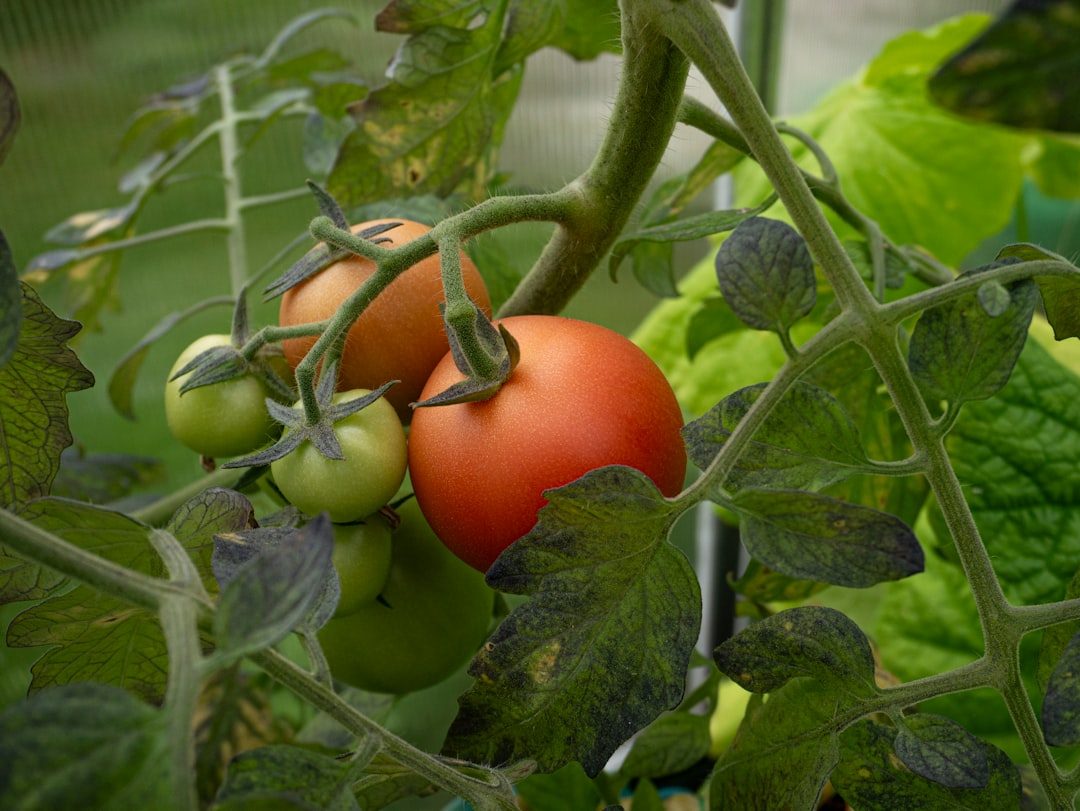
By early September, a cordon tomato is still pushing sideshoots and setting new flowers. None of that new growth will have time to ripen before the first frost. Stopping the plant — cutting the main stem above the last truss that has a realistic chance — tells it to put whatever energy remains into the fruit that is already there. Combined with removing leaves that shade those clusters, it can bring a truss forward by two to three weeks. The job takes around twenty minutes per plant and a clean pair of secateurs.
What you need
Step by step
-
Walk the row before cutting anything. Count the trusses that are already well set — fruits the size of a marble or larger. In early September, a truss needs roughly three to four weeks of decent weather to ripen on the vine. Any truss showing only small fruitlets or open flowers is unlikely to make it; that becomes your cut point.
5 min -
Wipe the secateur blades with the bleach-soaked cloth. Find the top truss you want to keep and cut the main stem one to two leaves above it. A clean cut straight across is fine; there is no need to seal it.
3 min -
Remove any sideshoots — the growth appearing from the joint between leaf and stem. Pinch them off with your fingers while small, or cut them flush with the stem if they have hardened. Any you miss will push again within a week, so check back after a few days.
5 min -
Work down the plant and remove leaves that are directly shading a fruit cluster: leaves hanging over a truss, clearly yellowing lower leaves, and any leaf lying on the soil. Leave healthy leaves elsewhere — they are still feeding the plant. You are thinning, not stripping.
5 min -
For outdoor plants, watch the ten-day forecast. At the first frost warning, pick all remaining fruit — including very green ones — and bring them inside. A tomato left on a frosted plant is lost. Indoors at 18–21 °C they will ripen in one to three weeks; they need warmth, not direct sunlight.
2 min
Afterwards
Check every few days for new sideshoots and snap them off while small. If blight appears — brown patches on leaves with a pale border — remove the affected material and bin it immediately, then wipe your tools. Once the weather turns reliably cold and wet, pick all remaining fruit regardless of colour and ripen them on a warm windowsill. Do not store unripe tomatoes in the fridge; cold halts ripening and damages the texture.
Questions
Does this work for bush tomatoes as well as cordon types?
Bush (determinate) varieties manage their own growing tip and do not need stopping. Focus on removing shading leaves instead; the same fruit-first energy shift applies.
Can green tomatoes really ripen off the vine?
Yes, reliably down to a certain size. Marble-sized and above will ripen indoors at 18–21 °C within one to three weeks. Tiny fruitlets and anything caught by frost rarely amount to much.
How many leaves should I actually remove?
Only those that are clearly shading a fruit cluster, or that are yellowing and starting to rot. On a healthy plant that might be three to six leaves. Stripping the whole plant reduces photosynthesis and can slow ripening.
My plants have blight. Is there any point stopping them?
If blight has reached the fruits themselves, the crop on that plant is likely lost. If it is only in the lower leaves, remove the affected material carefully, clean your tools, then stop the plant. The upper trusses may still finish if the weather stays dry.